Nidia Dias
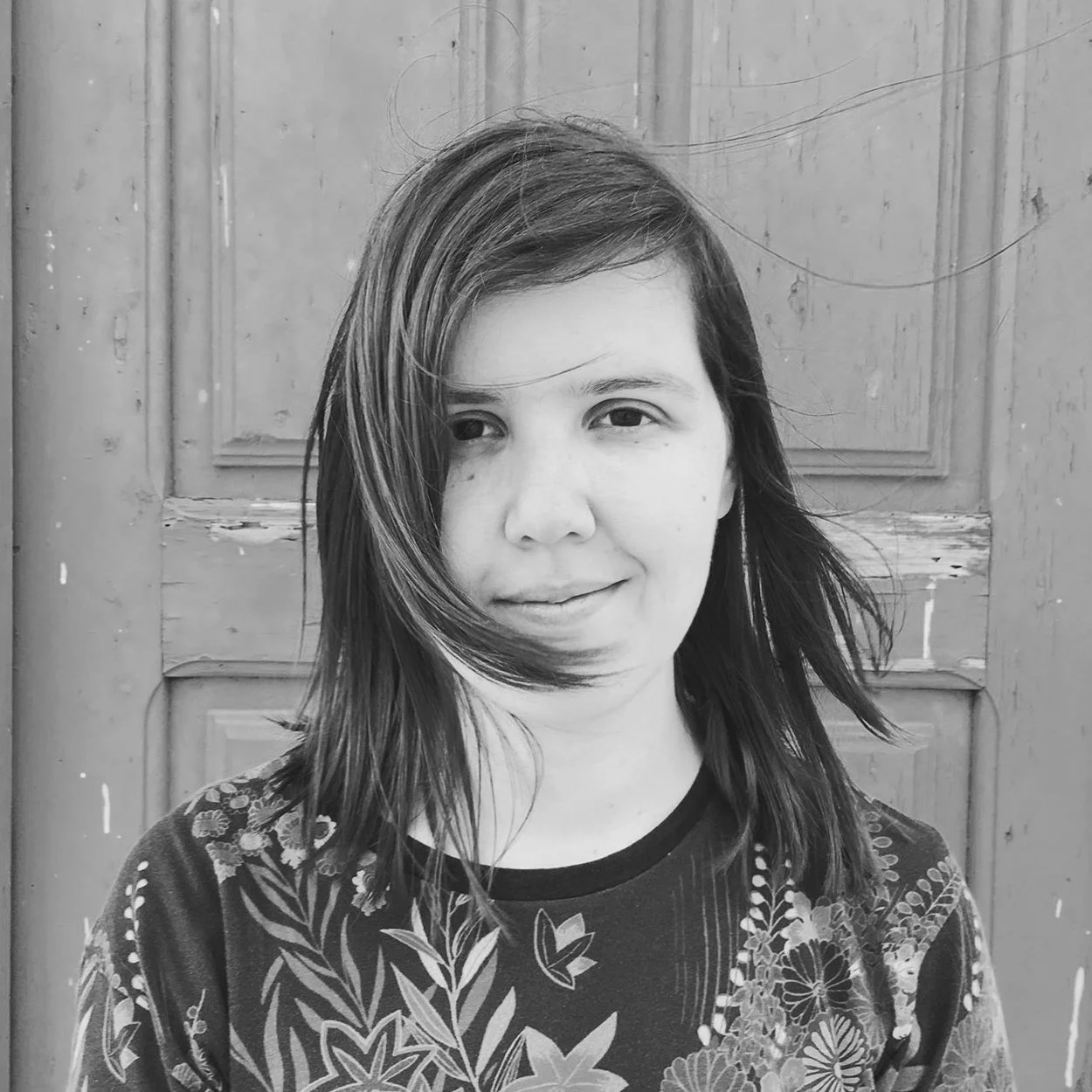
Q&A | Nidia Dias
Creative Director & Designer
Published
Jan 2026
Nidia Dias is a freelance Creative Director and Designer based in Porto, Portugal, known for crafting bold, atmospheric visual worlds that sit at the intersection of graphic design and motion. Her practice spans art direction, styleframes, and digital artwork, with a distinctive focus on geometry, light, and refined visual systems. She has collaborated with globally recognised brands and studios including Nike, Apple, Samsung, Adidas, Microsoft, and Intel, and has shared her perspective with the wider creative community through talks and appearances at events such as Adobe MAX and PixelVienna. Alongside her commercial work, Nidia is an active mentor, judge, and speaker, contributing thoughtfully to the ongoing evolution of motion design and visual culture.
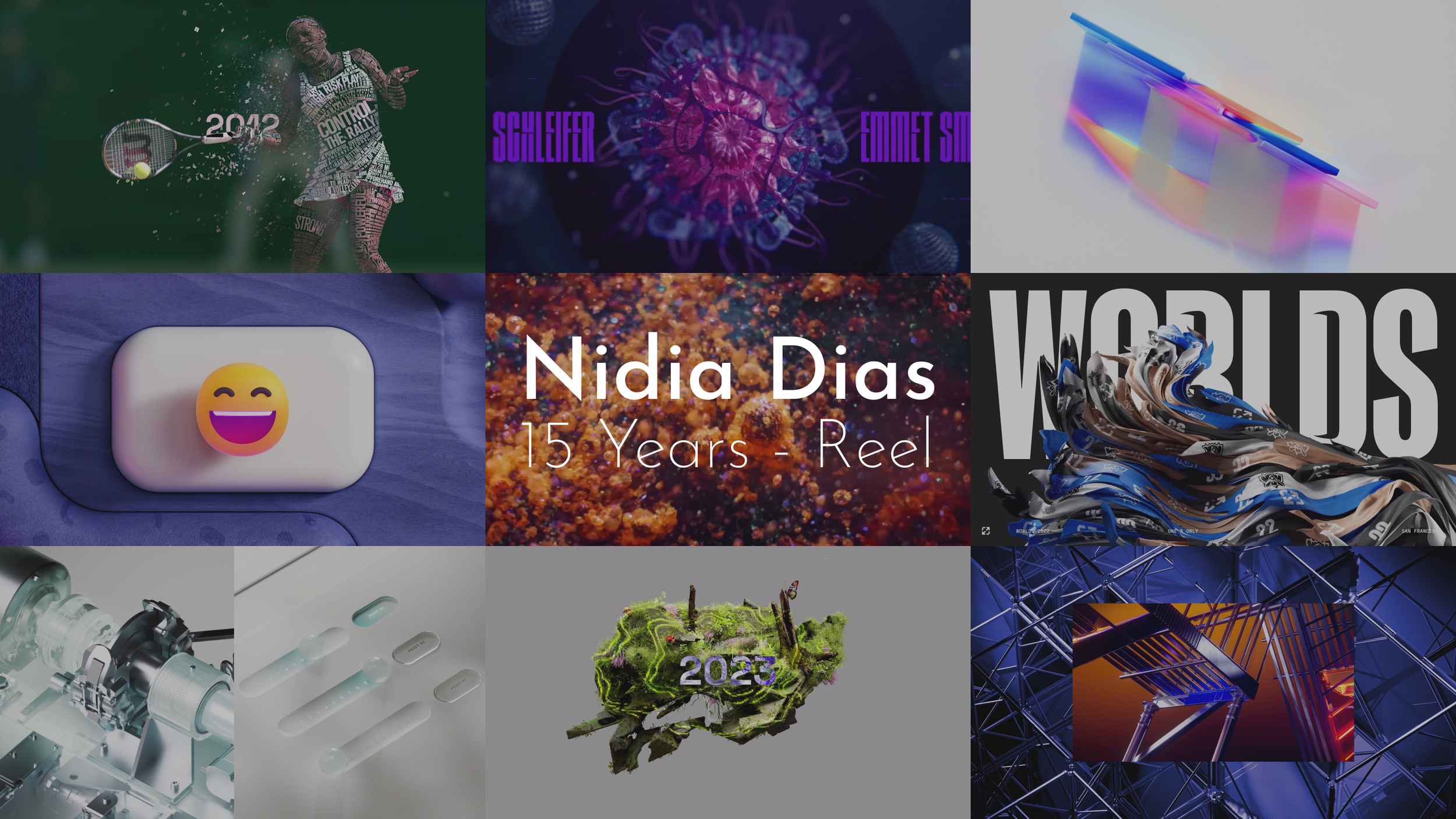
15 years - Reel
Nidia Dias
01
What lessons did you take from your first studio roles?
The power of collaboration and continuous learning. My first roles taught me that great work is a team effort.
Instead of a single artist's vision, it's about a collective goal where everyone brings their unique skills to the table. I also learned to let go of the idea that I needed to know everything. It's okay to ask questions, take time to research, and learn as you go. This openness to learning, combined with the understanding that every idea, no matter how small, can spark a great solution, was invaluable.
02
Is having a good design eye something you learn or just have?
It's a combination of innate talent and learned skills. While some people naturally have a great eye for aesthetics, a truly strong design sense is built over time. It requires you to be visually and culturally fluent, staying on top of trends, and understanding the context in which your work exists.
A keen eye is the raw material, but it's the continuous learning and exposure to the visual world that hones it into
a professional skill.

“I believe every brief, no matter how complex, can be broken down into its fundamental parts. I follow the KISS (Keep It Simple, Stupid) approach.”
03
How do you turn complex briefs (like AI or science) into visuals?
By simplifying the core message and embracing collaboration.
I believe every brief, no matter how complex, can be broken down into its fundamental parts. I follow the KISS (Keep It Simple, Stupid) approach. My process involves identifying the project's key needs, the target audience, and the central message. I'll then look for metaphors or simple visual analogies that can communicate these complex ideas clearly.
This is where research and collaboration become critical. I'll spend time reading about the subject to grasp the underlying concepts. I also see the client as a partner and an expert. By asking the right questions, I can leverage their knowledge to better inform the visuals, ensuring the final artwork is both accurate and engaging.
04
How do you stay connected to the craft when directing?
I make a point to stay hands-on with personal projects.
It's true that directing often pulls you away from the day-to-day creative work, and that's something I often struggle with.
To combat this, I try to take on personal projects that allow me to get my hands dirty and stay connected to the craft. This dedicated time lets me experiment with new techniques, explore different ideas, and keep my skills sharp. It's a continuous effort to find the balance between leading
a project and actively contributing to it.
“Embracing the learning process and trusting that good work will come with experience has been one
of the most freeing lessons of my career.”
05
What’s one thing you wish someone told you earlier?
It’s okay to not have all the answers. I used to think that experience and great work could be rushed, and that every successful artist was brimming with confidence. What I've learned is that it's normal to doubt yourself and to not know everything. Good work comes with time and effort, not a sudden burst of genius. Embracing the learning process and trusting that good work will come with experience has been one of the most freeing lessons of my career.
I've also learned that creativity isn't a faucet you can turn on and off. You're not always going to be creative, and it's okay if ideas don't come to you 24/7. It's fine to dwell on a problem or an idea. The solution will eventually come to you when you're ready.
Embracing this process and trusting that good work will develop over time has been one of the most freeing lessons
of my career.