Q&A | Lilla Hajnal
Freelance Motion Designer
Published
Oct 2026
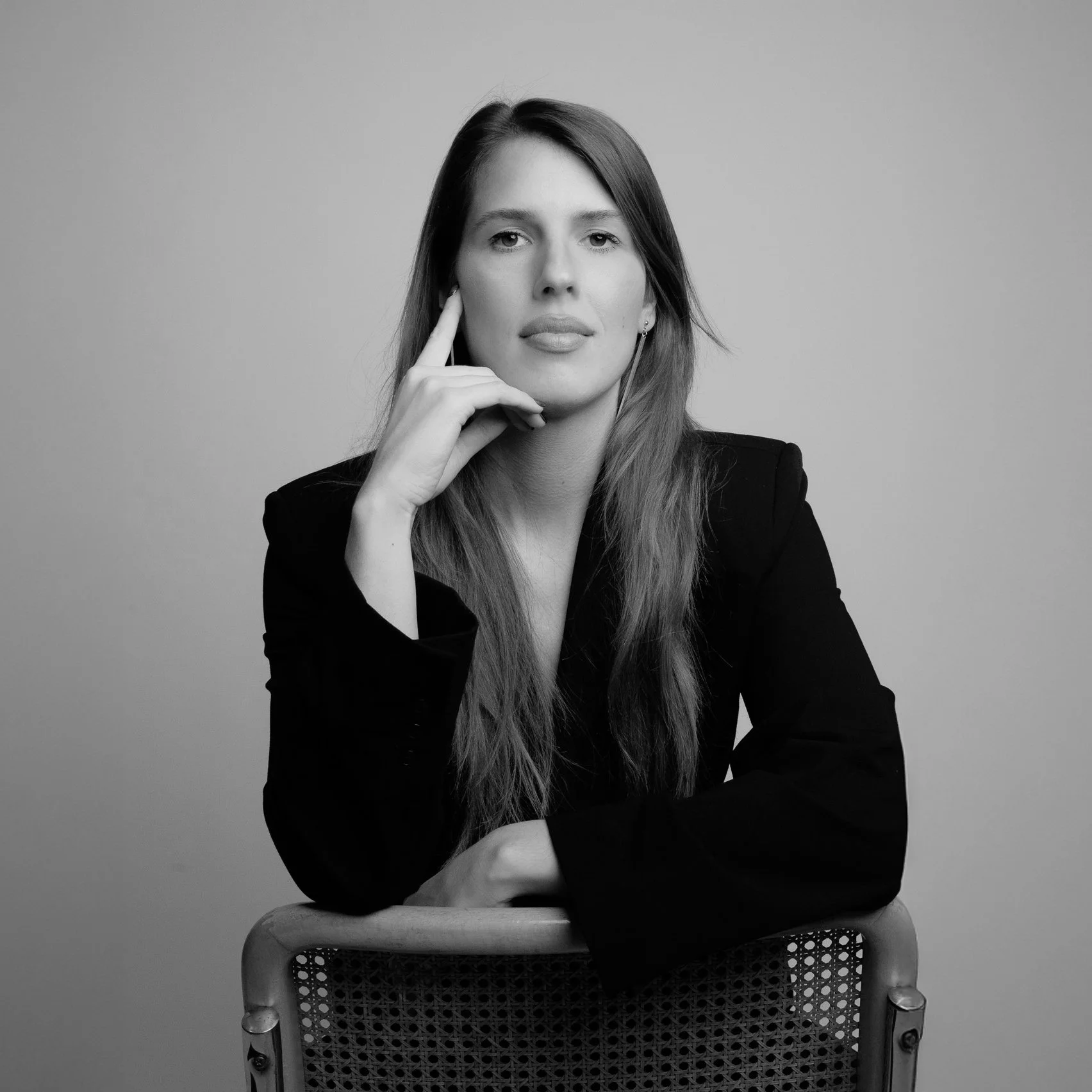
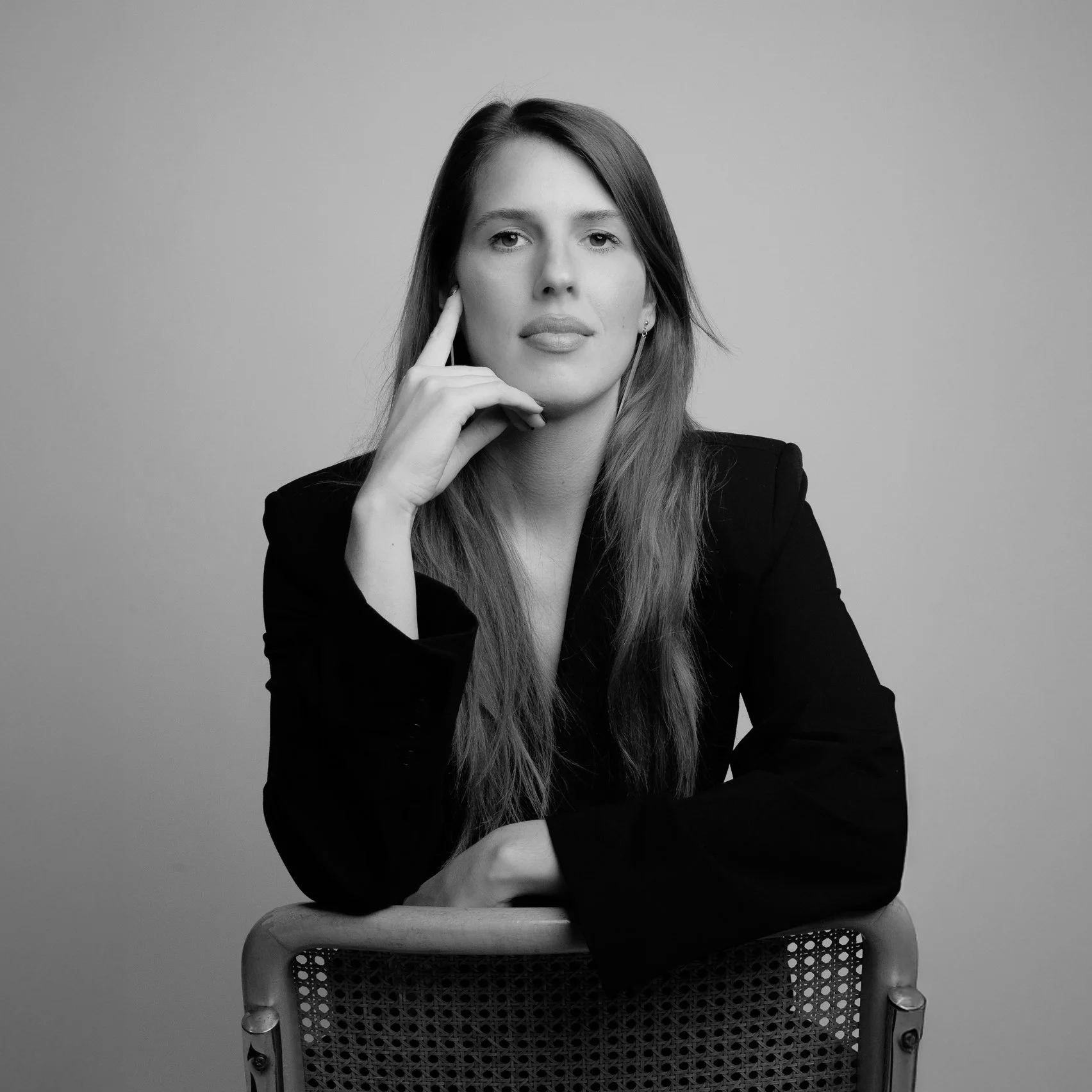
Lilla Hajnal is a Budapest-based Art Director and 3D motion artist known for turning abstract ideas into bold, narrative-driven digital experiences. Drawing on her background in landscape architecture, she brings a sharp architectural discipline to spatial composition, lighting, and colour harmony across 2D and 3D mediums alike.
Lilla opens up about her unexpected jump into motion design, the studio inspirations that sparked her pivot, and how her focus shifted from technical execution to story-led design.
We also touch on how she navigates creative growth vs. comfort, the breakthrough project that launched her into 3D animation, and why learning to be intentional with her work completely reshaped her career.
15 years - Reel
Nidia Dias
01
Were there people early on whose work made you think this is what I want to do? What was it about them specifically?
My path to motion design was not a straightforward one. I initially studied landscape design, but after university I followed my curiosity and started working as a graphic designer. Within that field, I had the chance to explore different areas, and that’s where I first discovered motion.
I remember coming across the work of studios like Dumbar and Buck and being completely fascinated by their approach. I didn’t know much about animation at the time, but watching their pieces gave me this strong feeling of joy and excitement. Looking back, it was the process of discovering more and more artists whose work made me think, I want to be able to create something like that.
“The biggest sign that I'm growing is when I feel that mix of excitement and uncertainty while figuring something out.”
02
How do you know when you've genuinely grown versus just gotten more comfortable?
For me, growth usually comes with a certain level of discomfort. When something feels completely familiar, I’m probably maintaining where I am rather than pushing myself further.
At the same time, I don't think constantly chasing discomfort is sustainable. Without periods of stability to reflect, build confidence, and consolidate what you've learned, it's easy to burn out instead of making real progress.
The biggest sign that I'm growing is when I feel that mix of excitement and uncertainty while figuring something out. When I know I don't have all the answers yet, but I'm curious enough to explore and find a way forward.
03
Looking back at your earliest work versus now, what's the biggest thing that actually changed, your taste, your process, your confidence, or something else?
I think almost every aspect of the way I work has evolved over the years. That comes from working with different people, taking on different kinds of projects, and learning new skills along the way.
The biggest shift, though, has been in how I approach a project. Earlier in my career, I was mostly focused on execution and refining the craft itself. Today, I approach projects from a storytelling perspective, starting with what we're trying to communicate, what the core message is, and how motion can best support that story.
I still care deeply about craft and visual quality, but for me, the most effective motion comes from the connection between a strong concept, thoughtful design, and animation that supports the message.
04
Is there a project in your portfolio that you're proud of for reasons that wouldn't be obvious to someone just watching it?
One project that comes to mind is the Unleash Your Creativity film. Around three years ago, I challenged myself to create my first 3D animation. I wanted to be able to create something close to the kind of 3D work I admired from studios like NotReal and the Microsoft Design team.
What makes this project special to me is not necessarily the final result itself, but everything I learned during the process. It brought together many of the skills I had developed over the years, from 2D animation and compositing to editing and color grading, while pushing myself into a completely new area.
I would approach many things differently today, but as my first step into 3D, it represents an important turning point in my career.
05
What's something you used to think was important in your career or work that you've let go of?
Earlier in my career, I felt like every opportunity was worth saying yes to because each project had something new to teach me.
I still love challenging myself, but over time, I realized there is a difference between taking on every opportunity and choosing projects that genuinely excite me and align with the direction I’m building towards.
Freelancing has given me the freedom to be more intentional about the projects I take on. Through different experiences and collaborations, I’ve developed a much clearer sense of the kind of work I want to focus on, which also makes it easier to recognize when a project is the right fit.
“Freelancing has given me the freedom to be more intentional about the projects I take on. .”